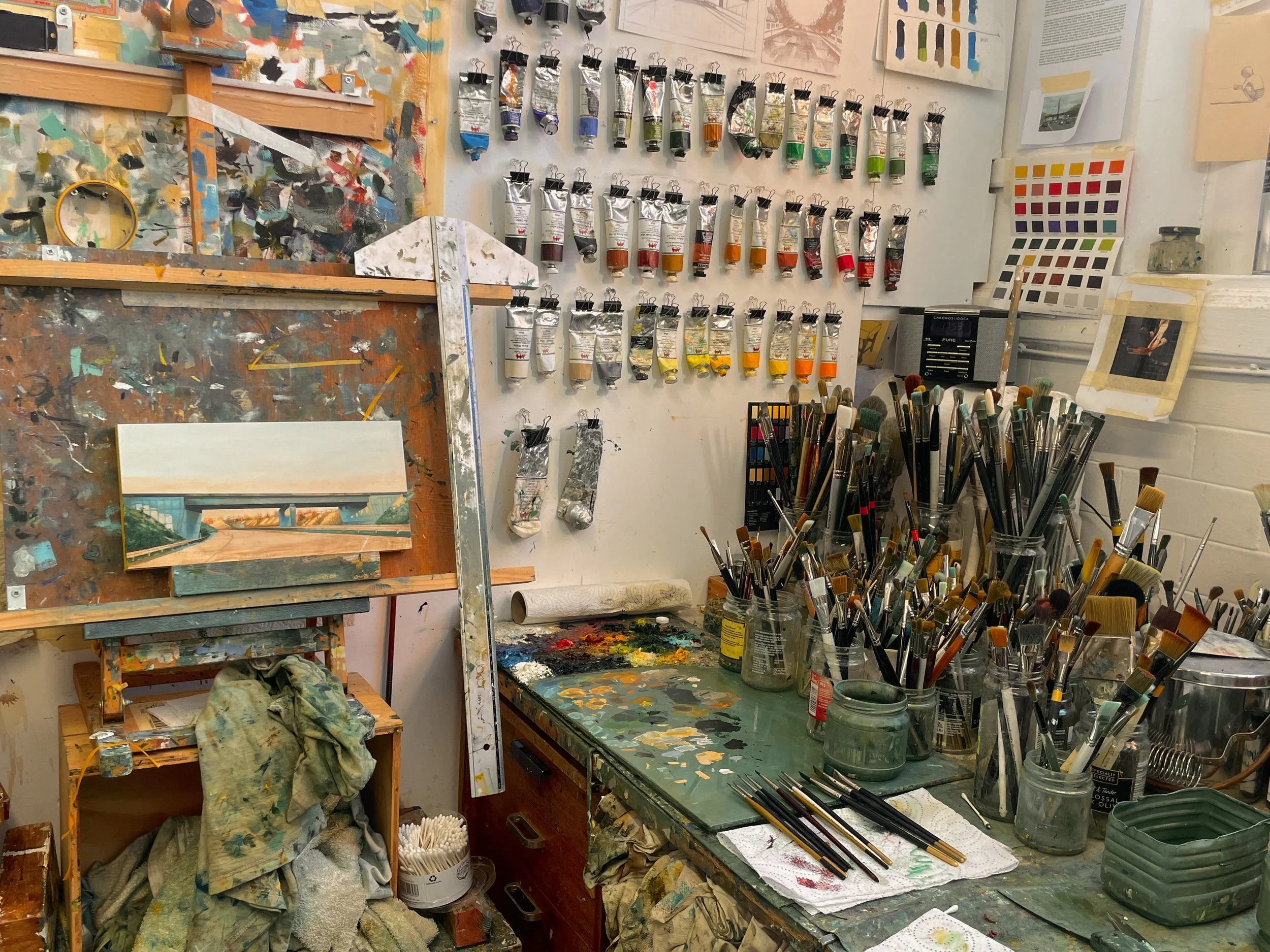
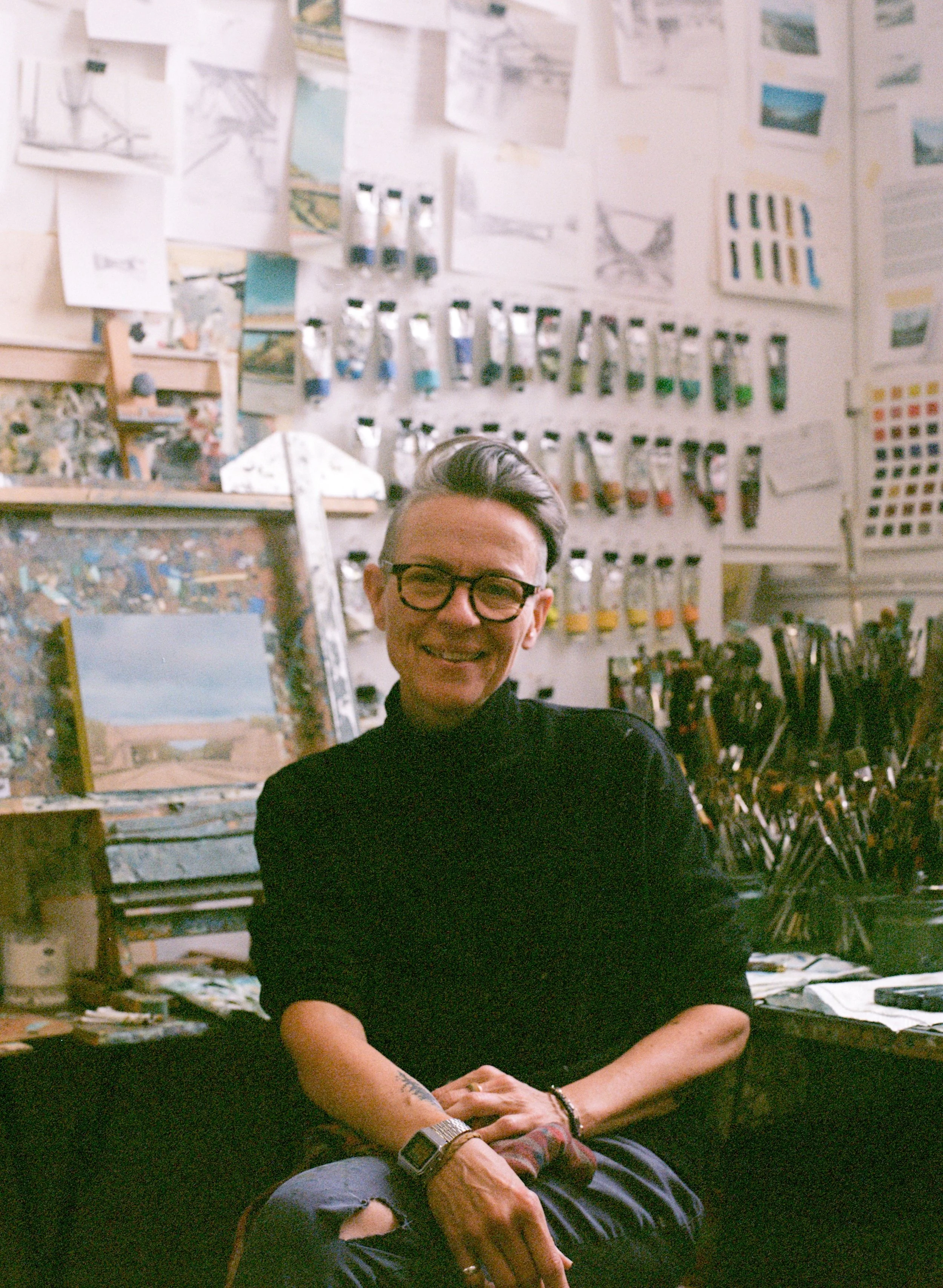
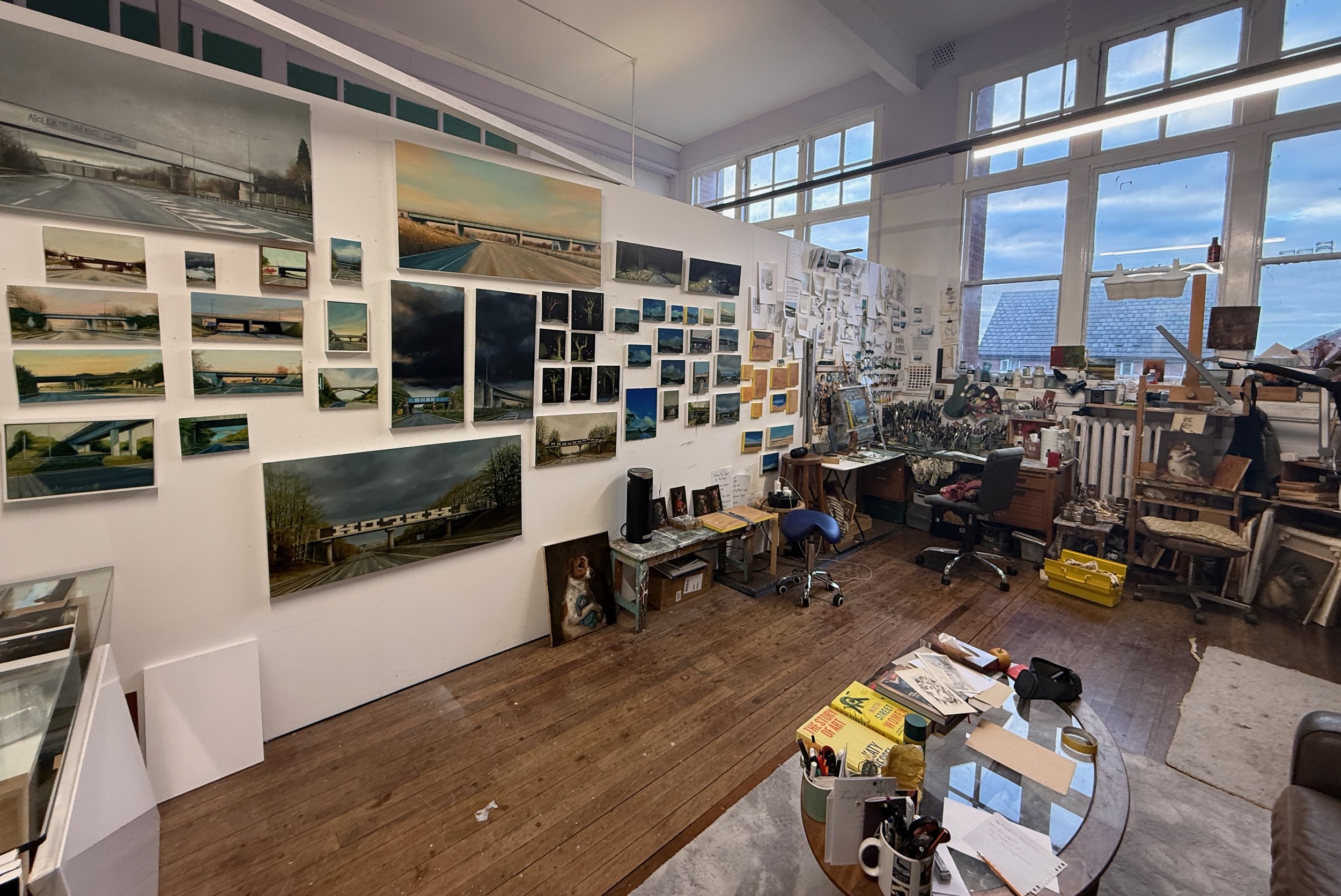
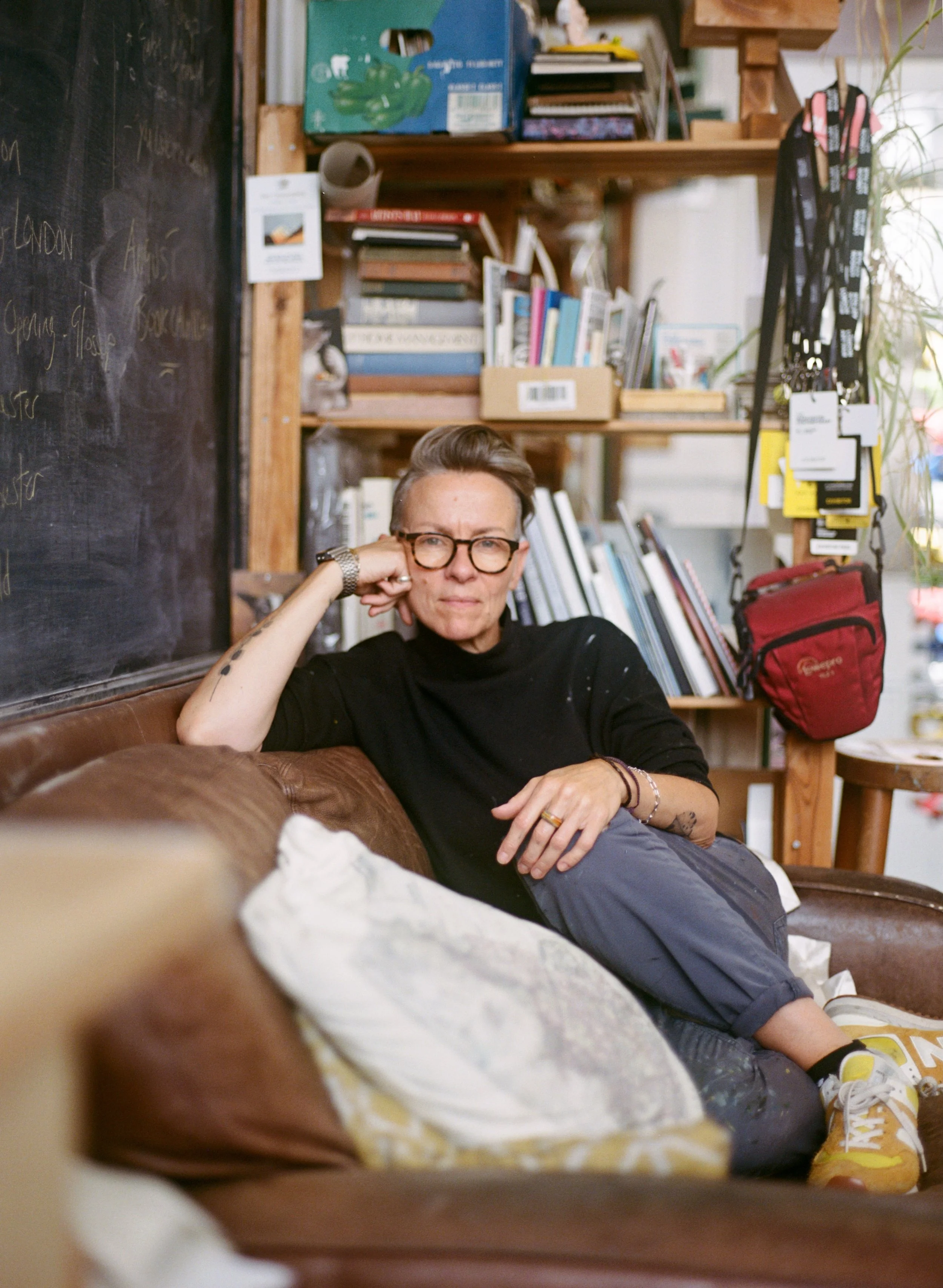
Jen Orpin (born Surrey, England,1974) lives in Manchester. She studied at Manchester Metropolitan University (BA 1996) and has had a studio and full time painting practice with Rogue Artists’ Studios since 2000. She is also a Member of Manchester Academy of Fine Art. She co-founded Rogue Women in 2019 and has organised and curated four survey exhibitions of its members and invited guest artists from around the UK. This year sees her organise the fifth iteration of Rogue Women, following this with a stand at the Manchester Contemporary for the third year. She is also the founder of A Small Space Artist Collective based in Manchester and has organised and curated exhibitions for the group in Manchester, Stockport, Macclesfield, London and Bali. As well as being invited into exhibitions across the UK and abroad, she’s also shown in open exhibitions including the Jackson’s Painting Prize, The New Light Art Prize, The ING discerning Eye Exhibition, The Wells Art Contemporary, The Wales Open, The London Group open and the first and second HOME Exhibitions where she was shortlisted on both occasions. She’s also exhibited at art fairs in Manchester, London, South Korea and has been selected on three occasions for the Royal Academy Summer Show. Her motorway paintings have featured in several publications including the Guardian online and twice in the Observer’s New Review and on BBC Radio 6music and ITVX. Jen has had six solo shows including an international solo show in Seoul, in London and a solo presentation at Art Busan, South Korea. Her work is held in private collections both in the UK and internationally and is also held in two public collections including New Art Gallery Walsall and Manchester Art Gallery where she hangs in the Lowry and Valette Room. This year sees the publication of her first book of paintings, spanning 8 years of work made from 2018 to 2025.
About my work
'The structures I focus on, often constructed from concrete and metal, brutal in nature are familiar landmarks that straddle well-travelled motorways and roads.
The motorway bridge, often unchanged and built to last, offer sturdiness and a consistent presence that spans decades in frequently developed and changing environments. They may be accompanied by the addition of graffiti; protest slogans or nature and weeds might have taken hold only adding to this presence and giving these brutalist landmarks the enduring quality of a monument. By documenting and recording these structures using the language of painting, I aim to expand our perceptions and viewpoints and challenge how we look at these structures in our everyday landscapes and draw on the connections we make through our memories and belonging to these places.
The active human element is notably absent - cars and people are stripped away, leaving only the motorways, landmarks, and remanence of a human presence. The absence of human life accentuates these elements, shifting the focus to the intrinsic beauty of the pathways and their significance in our lives. This intentional removal invites viewers to contemplate the relationship between the landscape and their own experiences. The roads and bridges become metaphorical for the emotions tied to travel and change, allowing the audience to project their memories, aspirations, and reflections onto the environments depicted. Framed within the empty motorway, these depictions of bridges articulate their role as a transformative connector, symbolizing opportunity for change.
The visual representations of these landscapes in my paintings and the framed view from the car make up and form the basis of visceral memories and nostalgia, liminal spaces that occupy the landscape between the places and people that mean the most to us. The importance of these external landscapes is often mirrored by the internal dialogue of the driver and passenger with the confinements of the car at times offering an intimate confessional space. The mundanity of these every day actions often belies the truth of deep routed emotions that come with these well-travelled routes and connections to these familiar places. In these paintings I aim to portray this feeling, emotionalism is a key element in the success of each one and as a viewer you are forced to look down the road as its sole traveler and undertake each journey as your own.'